
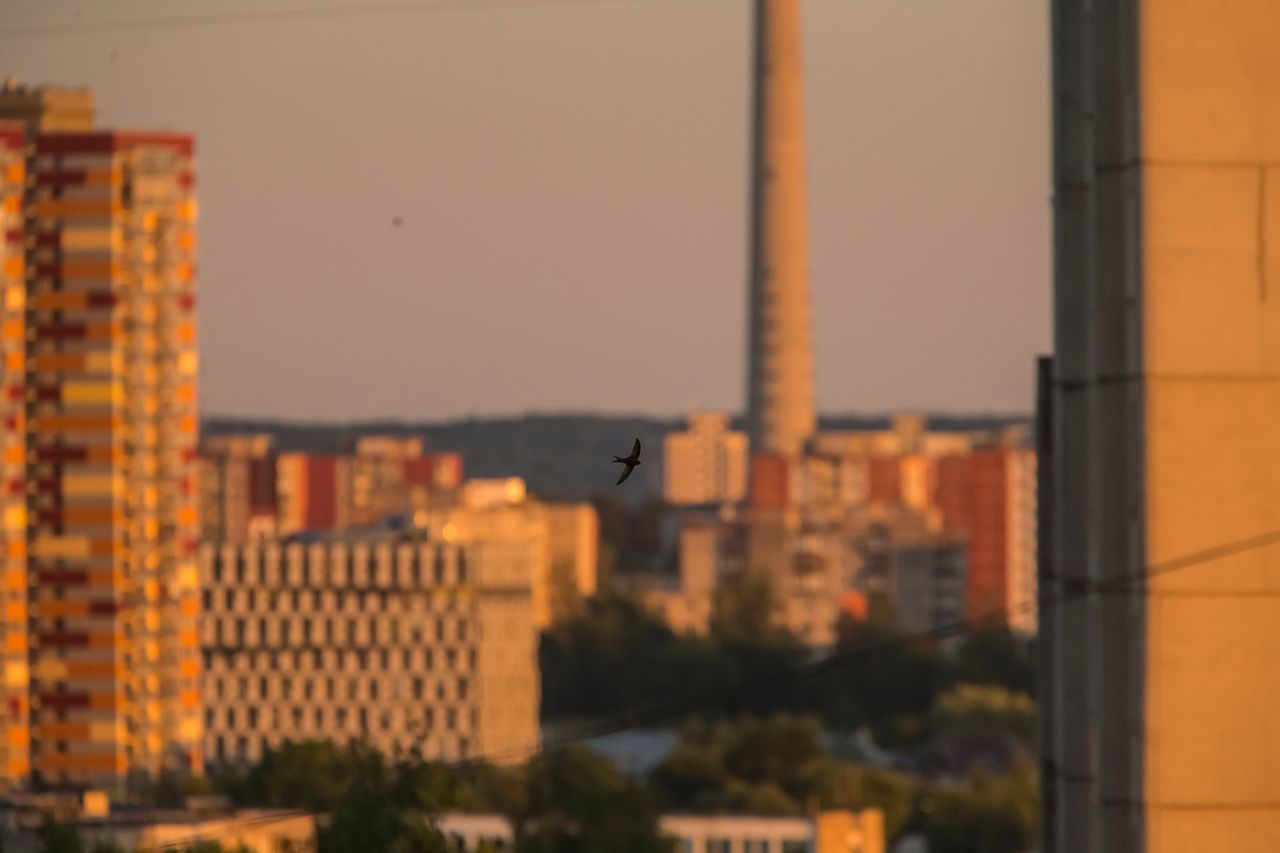
Did you know that swifts spend almost their entire lives in the air? They only land to build nests and raise their young.
They even sleep while flying!
The Common Swift
Apus Apus


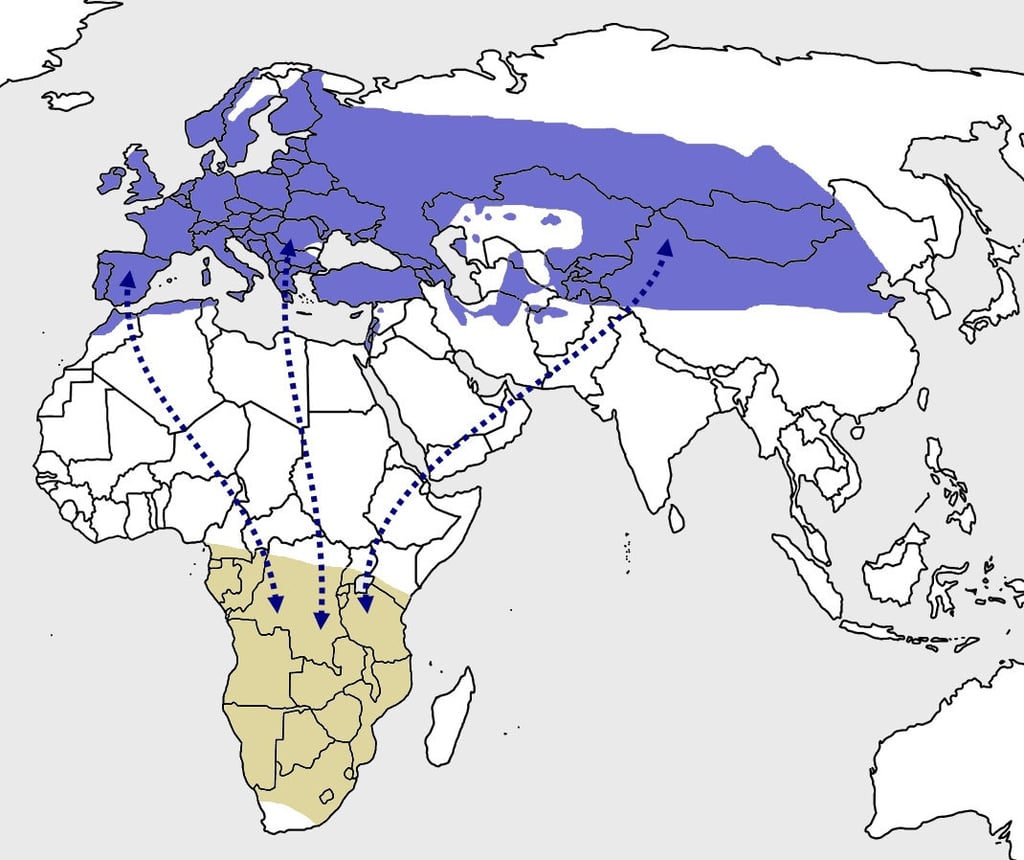
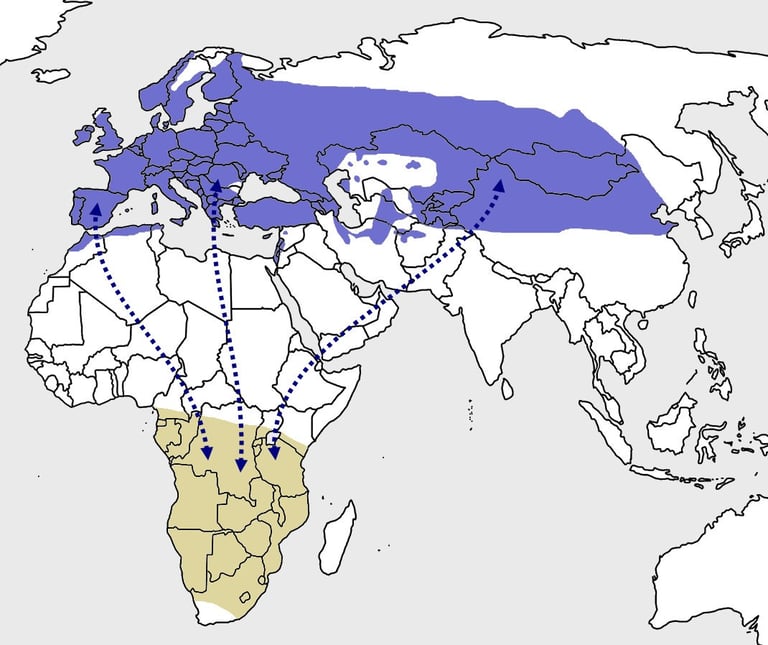
Migration Pattern


Modern buildings lack the crevices and gaps that swifts traditionally used for nesting. Building renovations often seal these spaces, eliminating nesting sites.
These birds are literally being pushed out of our cities. In the International Union for Conservation of Nature (IUCN Red List), the Common Swift is classified as NT (Near Threatened), indicating a declining population (assessment conducted in December 2020).
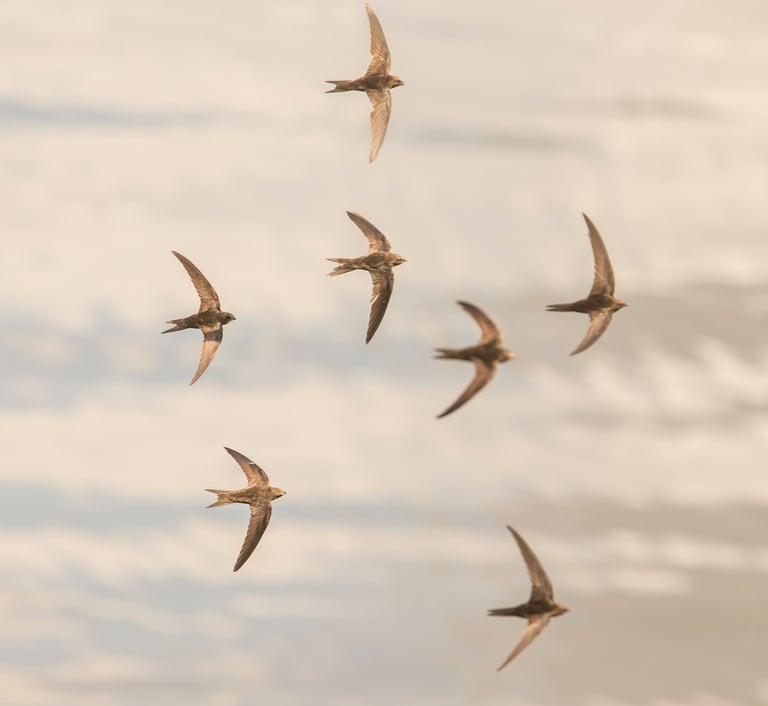
Swifts are “clean” birds that do not pollute their surroundings, which helps avoid concerns among residents.
On the contrary, they evoke many positive emotions: they play an important role in urban ecosystems and help maintain ecological balance by feeding on various insects, mainly mosquitoes.
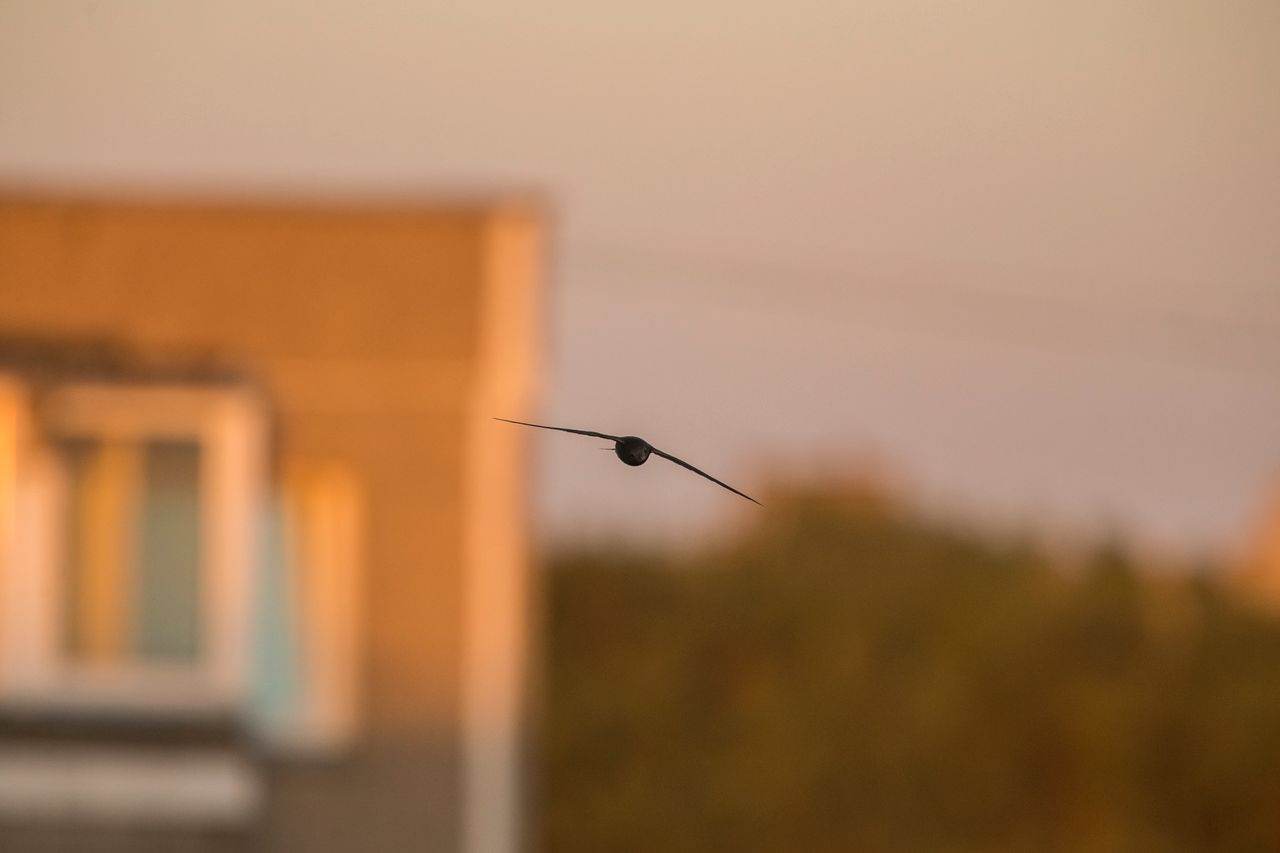
Every BIRD•DoT unit is designed following expert ornithological guidelines. By choosing our products, you're not just creating beautiful facade art — you're providing essential habitat for these remarkable birds.
Optimal Dimensions
Each box meets exact specifications for swift nesting.
Easy Installation
Designed for straightforward mounting on facades.
Weather resistant
Durable materials protect nests through all seasons.
Low Maintenance
Swifts keep their nests clean; minimal upkeep required.
Krivių g. 12
Vilnius, Lithuania
Lively Wall Art
© 2026 BIRD·DOT. All rights reserved.
BIRD·DOT

Funded by the Lithuanian Council for Culture.